

Smiling on the outside; crying on the inside</strong
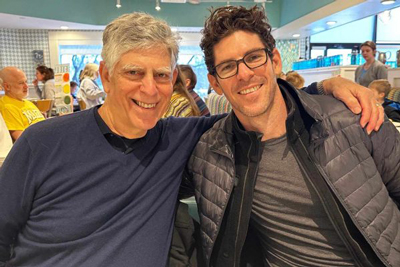
from Michael Dale Kimmel of Life Beyond Therapy: Do you ever feel like you're faking happiness?
Is your optimism sometimes shaky?
When someone tells you, "It's all good", do you want to smack 'em?
People on social media are talking about "toxic positivity": the belief that people should put a positive spin on all experiences, regardless of how awful they are. I call this "emotional incongruence": when your outside expression doesn't match your inner feelings.
For example, way too many people smile when they're unhappy. It's an automatic reaction, drummed into their heads, usually from childhood. They've been doing it for so long that they don't even realize they're doing it. Imagine yourself smiling while you say things like: "I can't believe he left me" or "I'm so bummed that they hired someone else for that job".
This is fake happiness, phony optimism: to keep it going takes a lot of effort and energy. It's usually self-imposed. You learned it a long time ago when someone brainwashed you with ideas like:
- "No one will like me if I'm sad."
- "If I'm not the life of the party/the funny one, no one will want to hang out with me."
- "Showing sadness is weakness, I have to pretend to be happy."
If this is you, the pressure to pretend to be happy - when you feel like shit - is intense. And it's really confusing to your mind and your body: your body (facial expression) pretends to be happy but your mind (thoughts and emotions) is sad, angry, or depressed. After a while, it would be hard to know what you really feel, wouldn't it?
For years' now, New Age/pop psychology has pushed the idea of positive thinking, an example of which is doing positive affirmations, like:
- I am rich!
- I am successful!
- I am handsome!
While there is value in affirming what you want, positive thinking isn't always the best solution to a problem. Some examples of too much positive thinking include:
- Saying to someone who's experienced something awful (job loss, death of a loved one): "Everything happens for a reason"
- Telling a friend who's lost their job that they could use their unwanted free time to learn new skills, improve their fitness or - somehow - make themselves "better"
- Downplaying someone's concerns by telling them, during a difficult time, "It could be worse"
Grief and sadness are normal parts of life. A person struggling with depression who repeatedly hears messages to "move on" or "don't be such a Debby Downer" might feel like their friends and family don't care about them. They may even be ashamed of their sad/mad/bad feelings, which encourages them to smile and pretend that everything's just fine.
When you're brainwashed to "put on a happy face" and ignore your pain, you can't address your problems honestly and powerfully. This kind of denial does not lead to a happier life, it often leads to using alcohol, recreational drugs, chronic shopping and other addictive behaviors to deaden your pain.
Instead, when you're crying on the inside, address it. Tell yourself: It's okay to be sad, angry, or confused. I don't have to fake it.
Sometimes, talking about your problems makes you feel better. You realize you're not alone. One research study found that labeling and talking about emotions reduced the strength of certain neural pathways in the brain associated with those emotions. In essence, you are reprogramming your brain when you identify and work through difficult emotions.
If you'd like to become more emotionally "congruent" (e.g., your outside matches your inside), consider these strategies:
- Recognize that negative emotions are normal
- Identify and name your emotions, don't avoid or deny them
- Talk with people you trust about your emotions, including tough ones like anger, disappointment, hurt and rage
- Get support from nonjudgmental people, like trusted friends or a therapist
- Stop trying to put a positive spin on everything
While positive thinking offers some benefits, smiling on the outside while you're crying on the inside is an awful place to be.
The next time you feel like shit: own it, use it and learn from it.
About the Author

|
Michael Dale KimmelI am a California-licensed psychotherapist (LCSW 20738). With over twenty-five years of counseling experience, I bring warmth, practical insight and a healthy sense of humor to my practice. |

Life Beyond Therapy
Other Life Beyond Therapy Articles

Connect With Us