

Is Mpox Sexually Transmitted?
Erie County Department of Health
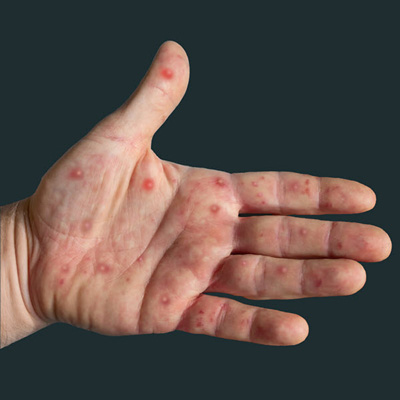
Last summer, men who have sex with men in Europe, the United Kingdom, and the United States saw an outbreak of a communicable disease that beforehand was seen mostly due to travel from Central or West Africa. Mpox, previously known as Monkeypox, is part of a family of viruses that cause disease in both humans and many types of animals. Smallpox is an example of a poxvirus that no longer exists in nature. Mpox on the other hand surged in 2022. Over 98% of new confirmed cases have been in locations that have not historically reported mpox before the current outbreak that began last year. The U.S. made up 34.9% of all confirmed cases globally, as Pennsylvania had the 7th highest number of cases at 2.85% of the total national mpox infections. Living in a global society that is very mobile means the spread of communicable diseases can happen quicker and more often than ever before.
Mpox can spread to anyone through close, personal, often skin-to-skin contact, including: direct contact with mpox rash and scabs from a person with mpox, as well as contact with their saliva, upper respiratory secretions (snot, mucus), and areas around the anus, rectum, or vagina. This direct contact can happen during intimate contact, including: oral, anal, or vaginal sex, or touching the genitals (penis, testicles, labia, and vagina) or anus of a person with mpox, hugging, massage, and kissing, and/or prolonged face-to-face contact. The risk is considered low for getting mpox by touching objects, fabrics, and surfaces that have been used by someone with mpox and not disinfected, such as clothing, bedding, towels, fetish gear, or sex toys. A person with mpox can spread it to others from the time symptoms start until the rash has fully healed and a fresh layer of skin has formed. As of February 2023, new data show that some people can spread mpox to others from one to four days before their own symptoms appear.
In the ongoing mpox outbreak, the virus is spreading primarily through sexual contact; however, infections have occurred through other exposures, including non-sexual contact with infectious lesions and from contaminated instruments in clinic settings. Current data suggest that about 40% of people diagnosed with mpox in the United States also had HIV (human immunodeficiency virus). The US Centers for Disease Control and Prevention doesn't know if having HIV increases the likelihood of getting sick with mpox if exposed to the virus. However, people that are severely immunocompromised (like advanced HIV) are at increased risk of severe mpox, or even death, if they become infected. While mpox to prior to this current global outbreak was not considered a STI [sexually transmitted infection], public health has recognized that sexual activity can be a key method of infection between persons.
At this time, data suggest that men who have sex with men make up the majority of cases in the current mpox outbreak. However, anyone, regardless of sexual orientation or gender identity, who has been in close, personal contact with someone who has mpox is at risk. There are recommended prevention steps and including vaccination if you are exposed to mpox or have a higher risk of being exposed. Vaccination can help protect yourself and your loved ones. There four steps we can take to protect ourselves from getting mpox are: 1) avoid close, skin-to-skin contact with people who have a rash [which may appear as pimples, blisters, or scabs], 2) avoid contact with objects and materials that a person with mpox has used, 3) wash your hands often with soap and water; especially before touching your face and after using the bathroom, 4) get vaccinated - JYNNEOS is a 2-dose vaccine developed to protect against mpox and smallpox infections. People need to get both doses of the vaccine for the best protection against mpox. The second dose should be given 4 weeks after the first dose. Mpox vaccines are free, but providers may bill a program or plan to cover the mpox vaccine administration fee (like your private insurance or Medicare/Medicaid). To schedule an appointment for the JYNNEOS vaccine approved for prevention of smallpox and mpox, please call Central Outreach Wellness Center Erie [814-619-4009] or the Erie County Department of Health [814-451-6777].
Erie County Department of Health (ECDH)
Other Erie County Department of Health (ECDH) Articles

Connect With Us