

The Risks of Buying a Home As-Is
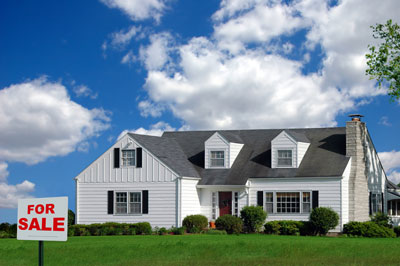
When browsing real estate listings online, you may come across a property that is absolutely perfect in all regards but one: the listing indicates that the property is being sold as-is. The seller will make no repairs or updates. For some potential buyers, this is an immediate deal breaker. For others, the idea of purchasing a home as-is means a chance at getting it for a price well below listing. Before you purchase an as-is home, you do need to know what risks you are taking on.
Look for Structural Issues
One of the biggest risks of buying a home as-is is that you could be taking on a property with serious structural issues. The foundation could be sinking, or there could be an issue with the integrity of the roof and supporting joists. It is always vital that you have the property inspected before you purchase it. If you discover that you may have to take on more work than you anticipated, it may be best to pass on the property. You do not want to take on more work than you can handle, even if you believe you could turn the dilapidated house into your dream home.
If the property is not structurally sound, it can be very difficult to find a lender willing to give you a mortgage. Some as-is properties must be purchased with an all-cash offer. These homes also often require you to invest nearly as much or more than the purchase price to bring them up to code and make them livable.
You also need to consider your timetable. Purchasing a home that needs structural work will nearly always delay your move. You may not be able to live in the home for several months, or sometimes more. If you have a buyer lined up for your current home, this means you may have to arrange short-term housing for your family and pay to store many of your belongings. You will likely have to budget for these expenses in addition to the cost of purchasing and repairing the property.
The Issues May Be Mostly Cosmetic
If there are no structural issues found, you may find that there are many different cosmetic problems with the property. This is the best-case scenario as it means you can move into the home immediately after closing. Of course, you may want to delay your move so that you can more easily make updates to the house.
Cosmetic issues mainly have to do with the flooring, paint, cabinets, and other features of the house that do not affect its functionality or livability. The carpet may be stained, or there could be broken tiles that need to be replaced. You may need to replace missing cabinet doors, replace cracked windows, and repaint. These are easily done and are often quite affordable. If the issues with an as-is property are cosmetic, it is often worth the work involved since you can usually get the property at a more reasonable price.
Other Issues
There could potentially be issues with the property that are not structural, but instead, are more costly and serious than cosmetic problems. Here are some other problems an as-is property may have:
- Termites or rodent infestation.
- Asbestos.
- Lead-based paint on the walls.
- HVAC issues (Heating, Ventilation, or Air Conditioning problems).
- Mold.
- Leaks in the roof or water damage from past leaks.
Any of these conditions can delay moving into the house and be costly to repair, especially if there are more than one of these issues present.
As-Is Parts of a Home
While it is not as common, some sellers may list specific parts of the property as-is. For example, the shed in the back yard, the swimming pool, or an unfinished remodel project could be listed as-is. The seller may be open to any request that does not involve their specific as-is components. As a buyer, there is less risk in one of these properties because you know exactly what is in need of repair or updating.
Working with a Real Estate Agent to Purchase an As-Is Property
Real estate agents may have seen a number of as-is properties, but they also understand the appeal of purchasing one of these homes. The chance to give the house a complete update and make it your own, or to flip it for a profit is certainly appealing. Your real estate agent can help you find a great as-is home and assist in negotiating a price that saves you a good deal of money.
If you identify as part of the LGBTQ community, you may want to reach out to an agent who also identifies as such. Doing so may help you connect with your agent and ensure that you are being represented by someone who understands your particular needs. You can find an LGBTQ agent online at www.GayRealEstate.com, a website dedicated to connecting LGBTQ buyers and sellers with experienced real estate agents. This website has been helping the LGBTQ community with home buying and selling since 1991.

Gay Real Estate
Other Gay Real Estate Articles

Connect With Us